

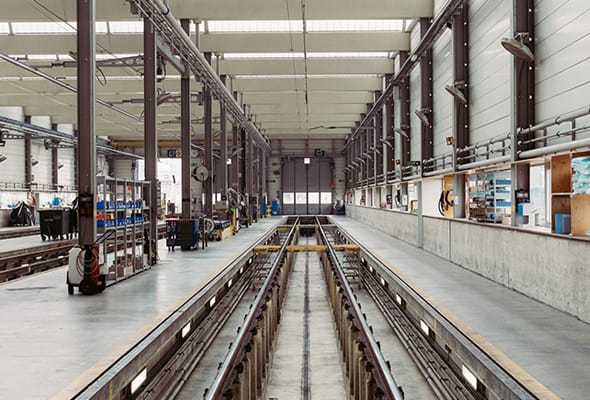
If you’re running a business in New Zealand today, your operations are already tied to digital systems—email, cloud apps, CRMs, accounting tools, VoIP, and more. What many business owners don’t fully see is the infrastructure quietly powering all of that behind the scenes: the data centre.
It’s one of those things you don’t think about—until something breaks.
Before we go deeper, here’s the simple version:
A data centre is where your business data lives, runs, and stays protected.
But that definition alone doesn’t help you make decisions. So let’s unpack it properly, from a practical, business-first perspective.
What Is a Data Centre?
A data centre is a purpose-built facility that houses the core technology your business depends on—servers, storage systems, and networking equipment—all operating in a controlled, secure environment.
Think of it less as a “room full of computers” and more as the operational backbone of your digital business.
Instead of relying on a single office server or patchwork setup, businesses use professional data centres to ensure:
- Systems stay online consistently
- Applications load quickly
- Data is protected against threats
- Infrastructure can scale as the business grows
In real-world terms, a data center is what separates fragile setups from reliable operations.
Providers like Mikipro Ltd. don’t just offer space—they deliver a structured environment engineered for uptime, performance, and long-term scalability.
How Do Data Centres Work?
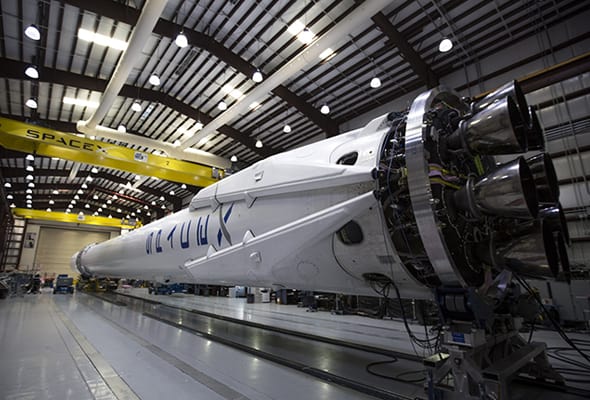
At a glance, a data center might look like rows of racks and blinking lights. But what’s actually happening inside is a tightly coordinated system designed for stability.
Here’s how the core components work together:
Servers
These are the machines running your applications, websites, and internal systems. Every time you open software or access data, a server is doing the work.
Networking
Routers and switches connect your systems to the internet and to each other. Without this layer, nothing communicates.
Cooling
Servers generate a lot of heat. Without proper cooling, performance drops—or worse, systems fail. Data centers use precision cooling systems to keep everything within safe operating temperatures.
Power and Backup
Reliable electricity is non-negotiable. Data centers use redundant power feeds, battery systems (UPS), and generators to ensure operations continue even during outages.
Security
This is both physical and digital. From biometric access controls and CCTV to firewalls and real-time monitoring, everything is designed to prevent unauthorised access.
All of these systems operate together, continuously, to keep your business running without interruption.
Types of Data Centres in New Zealand
Not every data centre setup is the same. The right choice depends on how much control, flexibility, and investment your business is ready for.
Enterprise Data Centers
Large organisations build and manage their own facilities. This offers maximum control, but the cost and complexity are high.
Colocation Data Centres
You own your servers, but they are housed in a professional facility. This removes the burden of infrastructure management while keeping control over hardware.
Cloud Data Centers
You don’t own physical equipment. Instead, you rent computing resources on demand. This is ideal for businesses that want flexibility without upfront investment.
Hybrid Data Centers
A combination of colocation and cloud. This approach allows businesses to balance performance, control, and scalability.
For most SMEs in New Zealand, hybrid setups are becoming the practical choice—flexible enough to adapt, but stable enough for core operations.
What Is Colocation in a Data Centre?
Colocation is often misunderstood, but it’s actually one of the most practical solutions for growing businesses.
In simple terms, colocation means placing your own servers inside a professionally managed data center.
Instead of worrying about power, cooling, and physical security in your office, you rent space in an environment already optimized for those things.
The advantages are straightforward:
- Lower infrastructure overhead
- Better uptime compared to in-house setups
- Stronger physical and network security
- Room to scale without rebuilding everything
Businesses that once relied on office-based servers are steadily moving toward colocation because maintaining infrastructure internally has become both risky and expensive.
Cloud vs Colocation: Which One Makes Sense?
This isn’t a “which is better” question. It’s about fit.
Cloud Hosting
You don’t manage hardware. You spin up resources as needed. It’s flexible, fast to deploy, and ideal for businesses that need agility.
Colocation
You maintain control over your physical servers. Performance is predictable, and it suits businesses with specific compliance or workload requirements.
Hybrid Approach
This is where things get interesting. Many businesses now run critical systems on colocated servers while using the cloud for scalability and remote access.
That balance—control plus flexibility—is what makes hybrid infrastructure so effective in real-world operations.
What Is a Data Centre Used For?
A data center is not just a storage facility. It’s an active part of how your business operates every day.
Here’s how companies in NZ typically use data centers:
Hosting Applications
From websites to internal systems, servers inside data centers handle the workload.
Cloud Services
Businesses run software, store files, and manage workflows through cloud platforms powered by data centers.
Communication Systems
Modern phone systems like VoIP and hosted PBX rely entirely on data center infrastructure.
Backup and Recovery
Critical data is continuously backed up and can be restored quickly if something goes wrong.
Security and Compliance
Sensitive business data is stored in controlled environments that meet strict security standards.
If your operations rely on digital systems—and most do—a data center is already part of your business, whether you’ve thought about it or not.
Why Data Centres Matter More Than Most Businesses Realise
A lot of businesses only think about infrastructure when something fails. That’s usually when the real cost becomes clear.
Downtime
Even a short outage can disrupt operations, impact revenue, and damage customer trust.
Data Loss
Without proper backup systems, data loss isn’t just inconvenient—it can be irreversible.
Security Risks
Cyber threats are increasing, and weak infrastructure is an easy target.
Growth Limitations
If your systems can’t scale, your business eventually hits a ceiling.
A well-managed data center setup removes these risks before they become problems. That’s the real value—it’s preventative, not reactive.
The Role of Data Centers in VoIP and PBX Systems
Business communication has shifted heavily toward internet-based systems, and data centers are what make that possible.
VoIP systems convert voice into digital signals and transmit them over the internet. Hosted PBX platforms manage calls, routing, and integrations—all within data center environments.
This setup enables:
- Remote and hybrid work setups
- Reduced communication costs
- Easy scalability as teams grow
- Integration with business tools like CRMs
When businesses compare traditional phone systems with modern VoIP solutions, the real difference comes down to infrastructure—and data centers sit at the core of that shift.
How Much Does a Data Center Setup Cost in NZ?
Costs vary depending on how you structure your setup.
Colocation
You pay for rack space, power usage, and bandwidth. Costs are predictable, which makes budgeting easier.
Cloud Services
Pricing is usage-based. You scale resources up or down depending on demand.
Dedicated Servers
Higher upfront cost, but full control over hardware and performance.
The key mistake businesses make is choosing based on price alone. The smarter approach is to evaluate:
- Current system demands
- Expected growth
- Security requirements
- Downtime tolerance
Cutting corners on infrastructure often leads to higher costs later—usually when issues start affecting operations.
How to Choose the Right Data Center Provider
Not all providers offer the same level of reliability or support. Choosing the right one requires looking beyond basic pricing.
Reliability
Look for uptime guarantees and redundant systems.
Security
Physical security and cybersecurity should both be strong and well-documented.
Scalability
Your provider should support growth without forcing major changes later.
Support
Fast, knowledgeable support matters more than most people expect—especially during incidents.
Integrated Services
Providers offering cloud, backup, and communication solutions alongside hosting simplify management.
Working with a provider that understands business needs—not just infrastructure—makes a significant difference over time.
FAQs
What is colocation in a data center?
It’s when you place your own servers inside a third-party facility to benefit from secure infrastructure and reliable uptime.
How much does colocation cost in NZ?
Costs depend on space, power usage, and bandwidth, but it’s often more cost-efficient than maintaining in-house systems.
Is colocation cheaper than cloud?
Not always. Colocation offers predictable costs, while cloud pricing varies based on usage.
What is cloud hosting used for?
Running applications, storing data, and scaling IT resources without owning physical hardware.
Is cloud hosting secure?
Yes, especially when managed by reputable providers with strong security protocols.
What is a hosted PBX system?
A cloud-based phone system that allows businesses to manage calls over the internet.
How does VoIP work?
It converts voice into digital signals and transmits them online, reducing costs and increasing flexibility.
What is disaster recovery?
A system that ensures your business can quickly recover data and operations after disruptions.
How often should data be backed up?
Most businesses use daily backups, with critical systems backed up in real time.
Conclusion: Why Your Data Center Strategy Matters
A data center isn’t just an IT component anymore—it’s a core part of how modern businesses operate, compete, and grow.
From hosting applications to securing data and enabling communication systems, everything ties back to how your infrastructure is built and managed.
Businesses that invest in the right setup benefit from:
- Faster, more reliable systems
- Stronger data protection
- Reduced downtime
- Flexibility to scale
The goal isn’t just to “have” infrastructure—it’s to have the right one.
Whether you’re considering cloud, colocation, or a hybrid approach, taking the time to evaluate your setup now can prevent major issues later.
Because at the end of the day, your systems don’t just support your business—they are your business.